Common Behavioural and Emotional Needs
Many children and young people experience challenges with emotional regulation, impulse control, frustration tolerance, social interaction, or adapting to classroom expectations. These needs can show up in different ways — such as difficulty focusing, heightened energy, strong reactions to limits, withdrawing when overwhelmed, or struggling to manage big feelings. These patterns are often linked to underlying differences in how a young person processes information, communicates, copes with stress, or responds to their environment. Understanding these needs helps schools and families create supportive, predictable approaches that reduce overwhelm and help pupils feel safe, settled, and ready to learn.
Common Behavioural and Emotional Needs
Some children and young people show patterns of behaviour that reflect high levels of stress, overwhelm, or difficulty managing strong emotions. This can include struggling with boundaries, reacting intensely when things feel unfair, finding it hard to follow expectations, or becoming upset very quickly when frustrated. At times, these behaviours may look like conflict with peers or adults, sudden outbursts, or withdrawing when everything feels “too much”. These responses are often linked to underlying differences in emotional regulation, communication, past experiences, or how a young person copes with change and pressure. Understanding these needs through a compassionate, trauma‑informed lens helps adults respond calmly, reduce triggers, and support pupils to feel safer, more settled, and better able to manage their emotions in school.

Neurodiversity
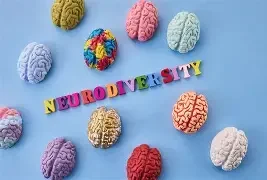
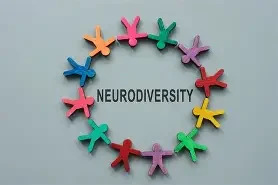
Neurodiversity recognises that every brain processes the world in its own natural and unique way. Children and young people vary in how they think, learn, communicate, and respond to their environment — some thrive on detail, others see patterns and big ideas; some need calm and predictability, while others enjoy movement and spontaneity. These differences are part of human diversity, not problems to be corrected. At Inclusive Minds Plus, we value and celebrate these individual ways of thinking and learning. Our role is to help young people understand their strengths, feel supported with the areas they find more challenging, and build confidence in how they navigate school, relationships, and everyday life.
Common Behavioural and Emotional Needs
Many children and young people experience emotional needs that can affect how they cope with school life. This may include feeling overwhelmed, becoming anxious in busy or unpredictable environments, finding it hard to manage big feelings, or struggling with changes in mood or energy levels. Some pupils may rely on routines or repetitive actions to feel safe, while others may withdraw, worry excessively, or become unsettled when they feel under pressure. These patterns often reflect underlying differences in how a young person processes information, handles stress, or makes sense of their thoughts and feelings. When adults understand these needs through a compassionate, non‑judgemental lens, it becomes easier to create calm, predictable support that helps pupils feel grounded, connected, and ready to learn.

Common Behavioural and Emotional Needs
Some children and young people experience differences in communication, social understanding, sensory processing, or self‑regulation that can make school life feel unpredictable or overwhelming. They may rely on routine, need extra time to process information, or find it harder to manage changes, busy environments, or social expectations. Others may show signs of emotional distress through changes in eating patterns, withdrawing, feeling disconnected, or struggling to stay grounded when under pressure. In some cases, young people may experiment with risky behaviours as a way of coping with stress, big feelings, or difficult life experiences.
These patterns are not signs of a “problem child” — they are indicators that a young person is trying to cope with internal or external challenges in the best way they can. When adults respond with understanding, consistency, and emotional safety, pupils are better able to regulate, reconnect, and engage positively with learning and relationships.

Educational Considerations
Students with behavioural disorders may act disruptively, aggressively, or withdraw socially, affecting classroom dynamics. Effective strategies include identifying triggers, teaching interpersonal skills explicitly, and implementing fair, consistent discipline. Early intervention and collaboration with mental health professionals are crucial for supporting students’ academic and social development.
Understanding these disorders helps educators, parents, and clinicians provide appropriate support, accommodations, and interventions to improve outcomes for affected students.

Inclusive Minds Plus – How We Support Behavioural and Emotional Needs
Inclusive Minds Plus provides calm, structured support for children and young people who experience challenges with emotional regulation, impulse control, frustration tolerance, social interaction, or maintaining focus. Instead of labelling pupils by diagnostic terms, we work with the underlying needs—whether that looks like big feelings, frequent overwhelm, difficulty with routines, heightened anxiety, or patterns of oppositional or avoidant behaviour. Our approach is relational, predictable and trauma‑informed, helping pupils feel safe enough to re‑engage with learning. Through gentle coaching, co‑regulation, clear routines and practical strategies, we reduce classroom disruption, build confidence, strengthen communication skills and support pupils to manage strong emotions more effectively. We work closely with staff and families to create consistent approaches that fit naturally into existing school systems, ensuring every learner is understood, supported and able to make meaningful progress.